
Leading From the Ranks: How Veterans Can Teach Inclusive Leadership in Civilian Spaces
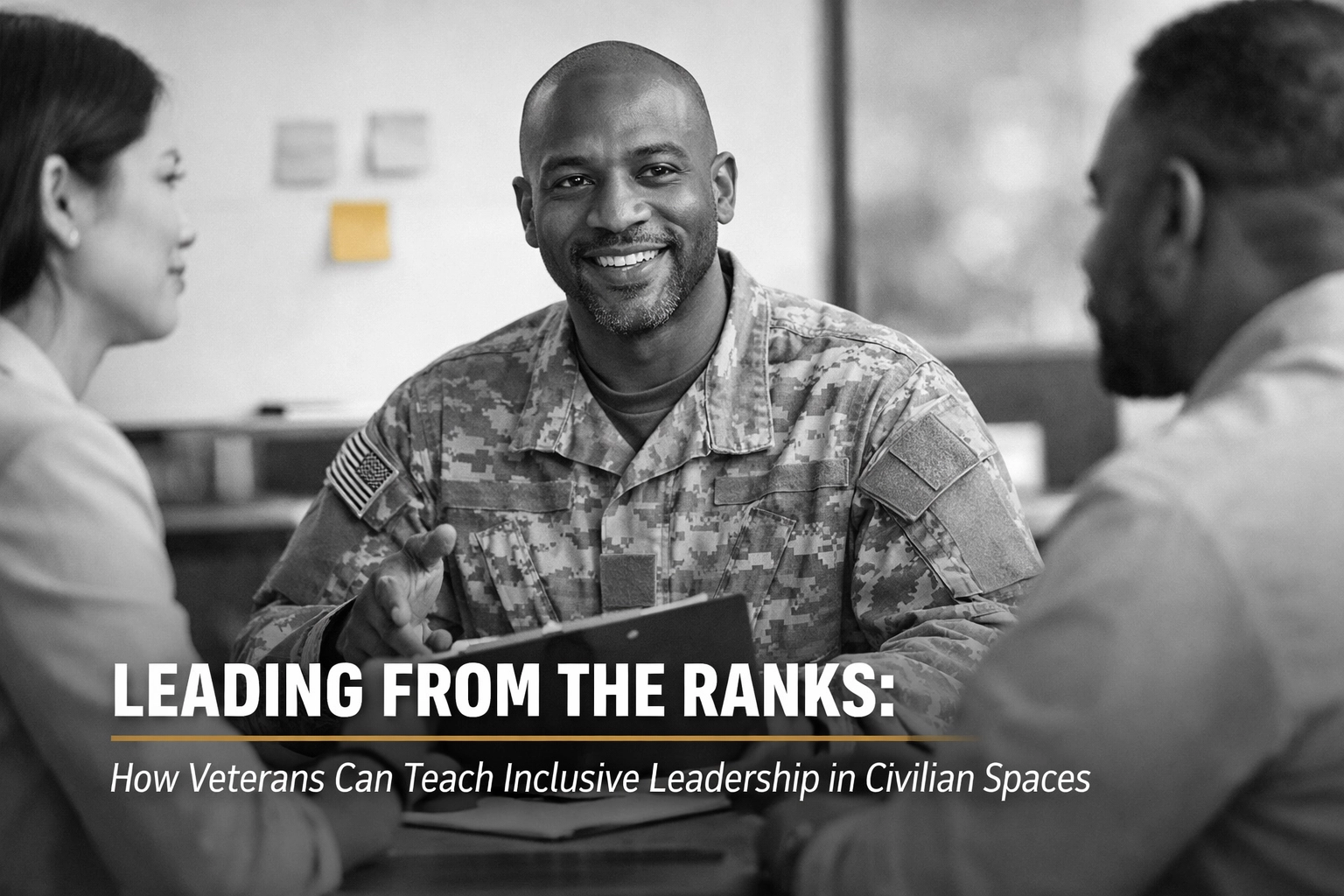
Most people in the civilian world have a completely backwards idea of what military leadership looks like. They imagine a drill sergeant screaming in someone’s face or a rigid hierarchy where "because I said so" is the only rule. They see the uniform and assume it’s about erasing individuality to create a machine.
But if you’ve actually served, especially as a person of color, you know the truth is the exact opposite. Real leadership in the ranks isn’t about barking orders; it’s about the radical inclusion required to survive and succeed. In a foxhole, the color of the person next to you, their hometown, or their political leanings don’t matter: their ability to cover your back does. We learned how to build a cohesive "tribe" out of the most diverse group of people imaginable.
As Urban Christian Veterans, we carry a unique blueprint for leadership that civilian offices, boardrooms, and even our local churches desperately need. We know how to lead from the ranks, and it’s time we start teaching those lessons in the spaces we occupy now.
The Myth of the "Standard" Leader
In many civilian workplaces, leadership is often treated like a costume. People put on a professional persona, use corporate buzzwords, and try to manage "resources" instead of leading human beings. There’s a lot of talk about "Diversity, Equity, and Inclusion" (DEI), but it often feels like a series of HR checklists rather than a lived reality.
The military, for all its flaws, forces a level of proximity that civilians rarely experience. You eat, sleep, sweat, and bleed with people who are nothing like you. You learn that inclusion isn’t a "nice to have" or a corporate initiative: it’s a tactical necessity. When you’re part of a mission, you can’t afford to ignore the talent or the perspective of a team member just because they don’t fit a certain mold.
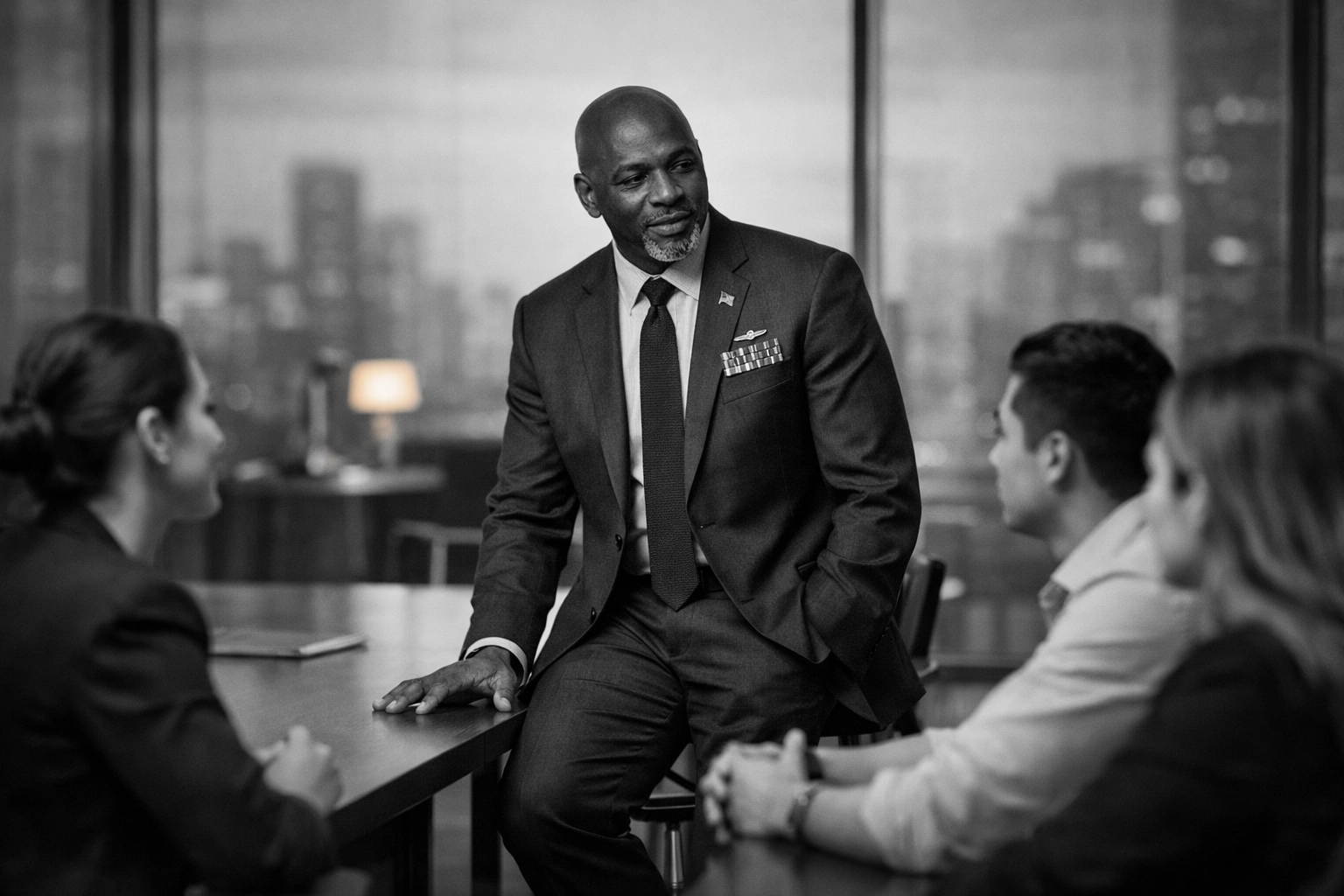
This is where veterans of color have a masterclass to offer. We have navigated systems that weren’t always built for us, yet we rose to lead within them. We’ve had to be bilingual: speaking the language of the institution while maintaining the heartbeat of our community. That experience is the foundation of inclusive leadership. It’s the ability to see the "soul" of the person next to you and align their unique strengths with the mission at hand.
Translating the Mission to the "Main Street"
One of the biggest hurdles we face when transitioning to civilian life is the "language gap." We’re used to clear objectives and a shared sense of purpose. Civilian life can feel ambiguous, disorganized, and deeply individualistic. This is what we call "Urban neo-tribalism": the tendency for people in the city to retreat into small, look-alike silos.
As Urban Christian Veterans, our job is to break those silos down. We can teach civilian organizations how to move from being a group of individuals to becoming a mission-focused team.
Think about the way we looked out for our "battle buddies." That wasn’t just a slogan; it was a commitment to the person’s total well-being. If their gear was off, you fixed it. If their head wasn't in the game, you talked them through it. In a civilian setting, this looks like advocating for a colleague who is being overlooked or mentoring a junior employee who doesn't see a path forward.
We can point to discussions like the roundtable with Sonia Vaird and Anthony Burton to see how these conversations about service and support translate into real-world advocacy. When we bring that "no one left behind" mentality into the workplace, we aren't just being "good employees": we are fundamentally changing the culture of the office.
Leading Through the Lens of Faith
For many of us, our leadership isn't just informed by our time in uniform; it’s anchored in our faith. As Christians, we are called to be the salt and light. This means our leadership should have a distinct "flavor": one of integrity, service, and radical love.
Inclusive leadership, at its core, is a spiritual discipline. It requires humility to listen, the courage to stand up for the marginalized, and the wisdom to see the inherent value in every person as an image-bearer of God. When we lead in civilian spaces, we aren't just trying to hit quarterly goals; we are trying to create an environment where people can flourish.
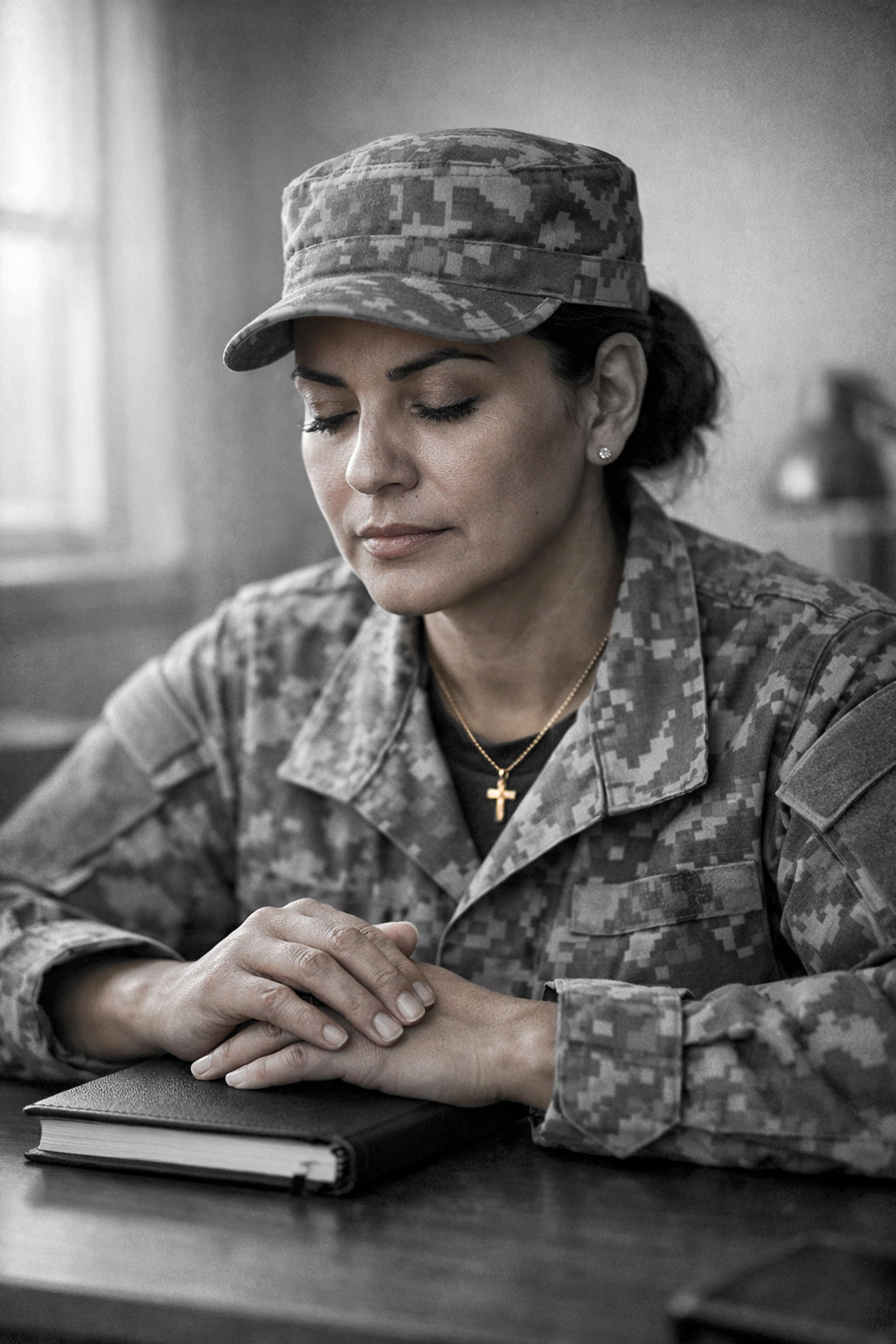
We’ve seen how faith sustains us through the hardest battles, whether in combat or in personal health crises. For example, the journey shared in Battlefields to Battling Cancer reminds us that leadership also means being honest about our vulnerabilities. An inclusive leader is one who creates space for others to be human, to struggle, and to find strength in community.
In the city, where life is fast and often impersonal, the Urban Christian Veteran stands as a bridge. We represent a "tribe" that is built on shared values and mutual sacrifice rather than just shared zip codes or tax brackets.
Mentorship: Passing the Torch
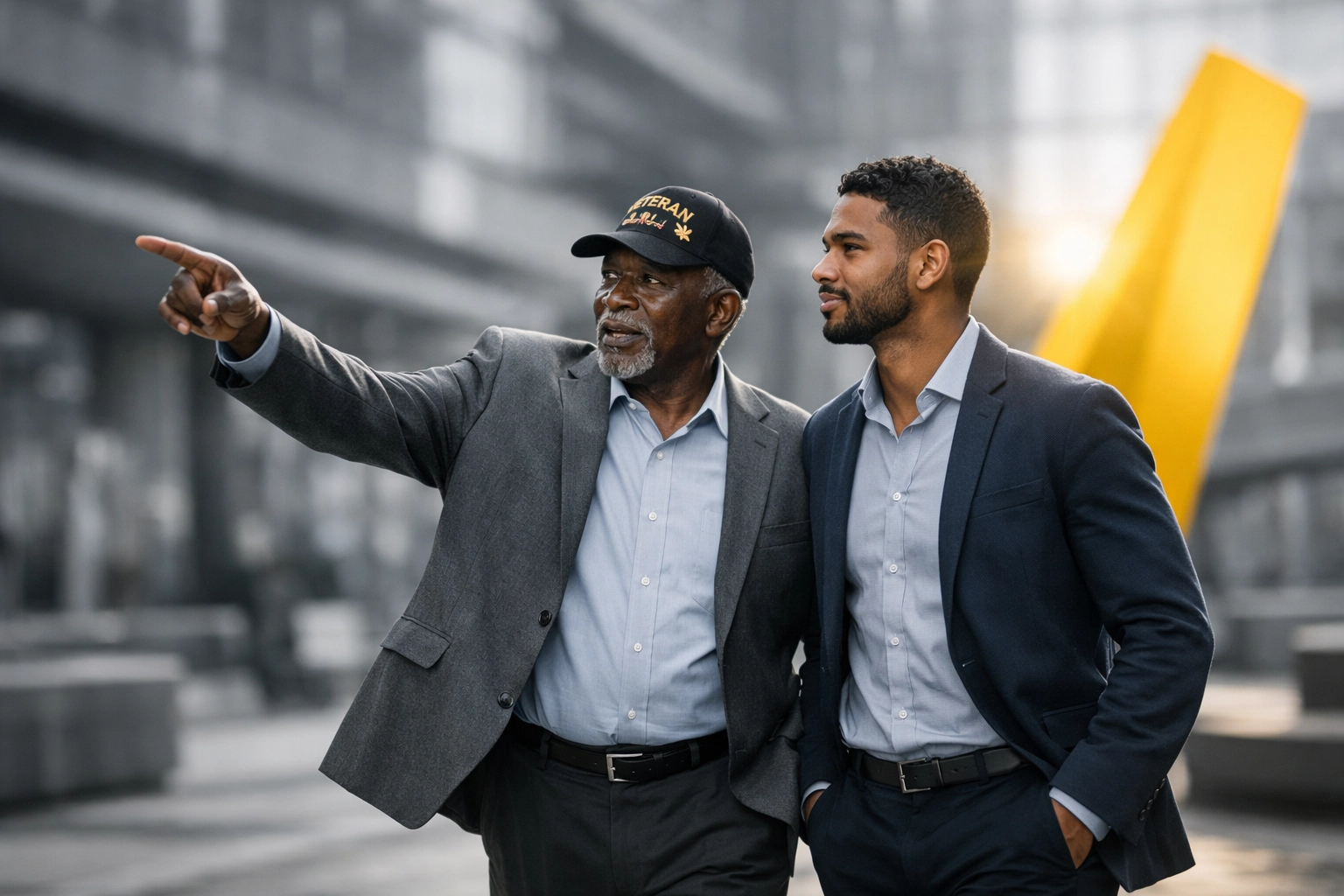
The most effective way to teach inclusive leadership is through mentorship. In the military, "each one, teach one" was how we survived. You didn't just do your job; you prepared the person below you to take your place.
In civilian spaces, mentorship often feels like a formal program that happens once a month over coffee. But real mentorship: the kind we learned: is an ongoing investment. It’s about "setting the table," as discussed in God Sets the Table While Enemies Watch. It’s about creating opportunities for others even when the environment is hostile.
As veterans of color, we have a responsibility to mentor those coming up behind us, especially other veterans of color who are trying to navigate the "cultural disconnect" of civilian life. We can help them translate their skills, but more importantly, we can help them maintain their identity and faith in a world that often asks them to compromise both.
Practical Steps to Lead From the Ranks
So, how do you actually do this on a Monday morning? How do you take these military lessons and apply them to a civilian team that has never seen a ruck march?
- Define the "Why" for Everyone: Most civilian friction comes from a lack of clear mission. Be the person who constantly brings the team back to the "why." When everyone is aligned on the goal, personal biases tend to take a backseat.
- Practice Active Inclusion: Don’t wait for an HR memo. Look for the person in the meeting who isn't speaking and ask for their input. If you see someone being treated as an outsider, bring them into your "tribe."
- Use Plain Language: Avoid the jargon: both military and corporate. Speak with the "Honest" tone we value at Urban Christian Veterans. People trust leaders who speak clearly and from the heart.
- Model Moral Courage: Inclusive leadership often requires standing up for someone when it’s uncomfortable. Use the fortitude you gained in service to be the voice for the voiceless in your workplace or church.
- Seek Out "Multicultural Intelligence": Our service took us all over the world. We’ve seen how different cultures work and thrive. Use that global perspective to help your civilian team understand that there is more than one way to solve a problem.
A Call to Wisdom and Honor
Transitioning from the military doesn't mean you stop being a leader. It just means your theater of operations has changed. The streets of our cities, our office buildings, and our pews are the new front lines.
Leading from the ranks is about realizing that you don't need a title to make an impact. You have the experience of someone who has seen the best and worst of humanity and chose to keep serving. That is a position of strength, not weakness.
By bringing the lessons of military cohesion, the foundation of Christian faith, and the resilience of the veteran of color into civilian life, we aren't just finding jobs: we are fulfilling a calling. We are building a community where everyone has a seat at the table and a role in the mission.
If you’re looking for a community that understands this journey: the intersection of faith, race, and service: you aren't alone. We are the Urban Christian Veterans, and we are leading the way home.
Join the conversation at urbanchristianvets.com.
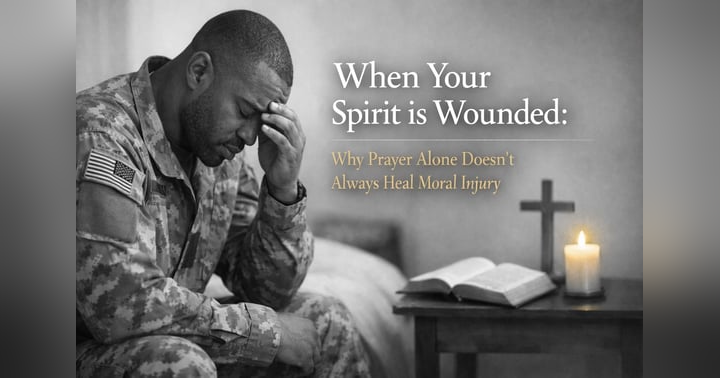
When Your Spirit is Wounded: Why Prayer Alone Doesn't Always Heal Moral Injury
 Apple Podcasts
 Spotify
 Castro
 RSS Feed
