
PTSD Did Not Begin with Modern War
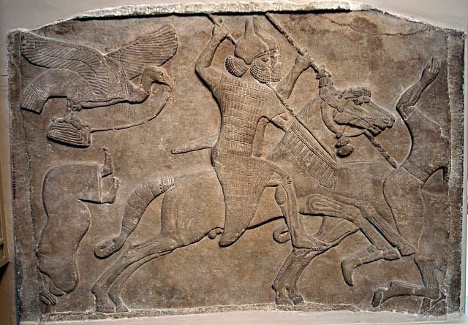
When people hear the term PTSD, they often assume it is a modern diagnosis tied to modern weapons. That assumption could not be further from the truth. Long before clinicians, psychology, or even formal medicine, soldiers were returning from battle changed by what they had seen and survived. History tells us that trauma has always followed war, even when societies lacked the language or compassion to name it properly.
As a veteran and minister, I find it striking how far back these stories go. What we now call PTSD has been observed for thousands of years, often misunderstood, spiritualized, or dismissed. Yet the symptoms remain familiar to anyone who has lived through combat.
One of the earliest references comes from around 3,000 BCE in Sumerian and Assyrian records. These texts describe warriors suffering from what was called “ghost sickness.” Soldiers experienced disturbing visions, sleeplessness, agitation, and fear long after battle had ended. Because there was no medical framework to explain these symptoms, they were blamed on spirits or the dead haunting the living. The suffering was real, but the explanation left the soldier isolated, fearful, and often ashamed.
By the fifth century BCE, historians were still recording the same reality under different names. Herodotus tells the story of Epizelus, an Athenian warrior who fought bravely in battle and was suddenly struck blind without any physical wound. Today, we would recognize this as a psychosomatic response to extreme trauma. At the time, there was no understanding that the mind could protect itself by shutting down the body. The injury could not be seen, so the suffering was harder to explain.
Even early medicine acknowledged the emotional cost of war. Hippocrates wrote about soldiers experiencing emotional shock, frightening dreams, and chronic sleep disturbance after battle. He observed that trauma lingered in the body and mind long after the fighting stopped. While his language was limited by his era, his observations were remarkably accurate. Soldiers were not weak. They were wounded in ways that could not be stitched or bandaged.
What stands out across these centuries is not how different ancient soldiers were from modern veterans, but how similar. Nightmares, hypervigilance, exhaustion, emotional numbness, and unexplained physical symptoms have always followed combat. The difference today is not the trauma itself, but our ability to name it, study it, and treat it.
If you are carrying invisible wounds, you are not broken, and you are not alone. History reminds us that generations before us suffered without understanding or help. We now have language, resources, faith communities, and treatment options they never had. Seeking care is not a failure of strength; it is an act of wisdom and courage.
If this resonates with you or someone you love, do not walk this road in silence. Talk to a trusted professional, a pastor who understands trauma, or a medical provider trained in PTSD care. Healing is possible, and choosing to pursue it honors both your service and your future.
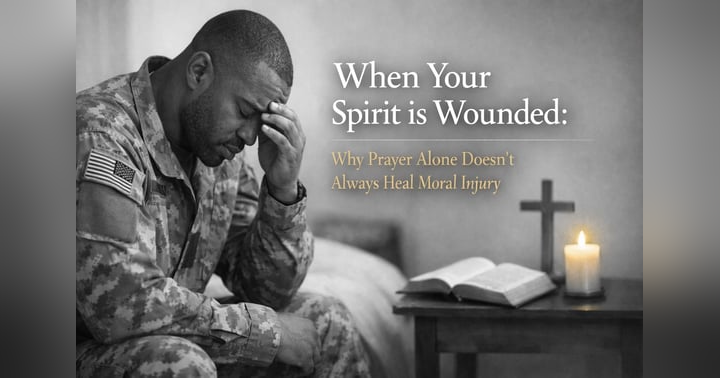
When Your Spirit is Wounded: Why Prayer Alone Doesn't Always Heal Moral Injury
 Apple Podcasts
 Spotify
 Castro
 RSS Feed
