
Moral Injury vs. PTSD: An Urban Christian Veteran’s Guide to Lifting the “Soul Weight”
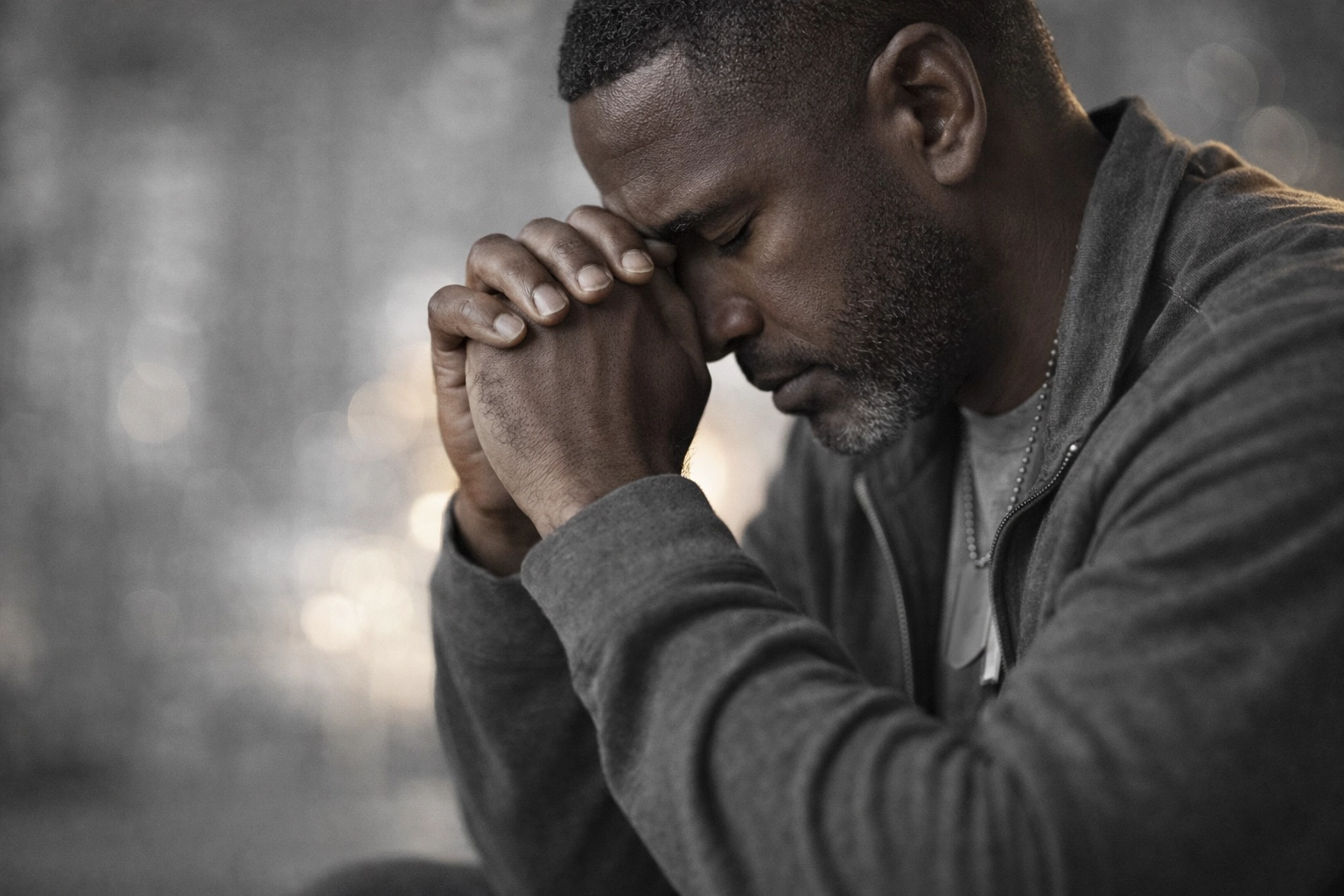
For years, the clinical world has handed Urban Christian Veterans a single label for their post-war struggles: PTSD. We are told our brains are "rewired" for survival, our nervous systems trapped in a loop of hyper-vigilance and fear. But for many Christian Urban Christian Veterans, especially those who have walked through the fire of modern conflict, that label feels incomplete.
You can take the medication, attend the therapy, and practice the breathing exercises, yet a heavy, phantom pressure remains.
It isn’t just a "startle response" or a nightmare. It is a profound, aching sense that something in the core of your being has been fractured. This is what we call the "soul weight." In clinical terms, it is known as moral injury.
Understanding the distinction between moral injury vs ptsd is not just an academic exercise; it is a spiritual necessity. If we misdiagnose the wound, we will surely misapply the cure. For the Christian Urban Christian Veteran of color, this journey toward healing is even more complex, intersecting with faith, identity, and a society that often prefers patriotic slogans over honest soul-work.
What is Moral Injury? Defining the Soul Weight
To answer the question, "what is moral injury?" we must look past the biological reflex of fear. While PTSD is a psychosomatic response to a life-threatening event: an alarm system that won't turn off: moral injury is a wound to the conscience. It occurs when a person perpetrates, witnesses, or fails to prevent acts that transgress deeply held moral beliefs and expectations.
In the context of moral injury veterans often experience a "betrayal of what’s right" by someone who holds moral authority (like a commander or a government) or by themselves. It is the crushing realization that the values you were raised with: the "Thou Shalt Nots" of your Sunday School days: collided violently with the "Must Dos" of the battlefield.
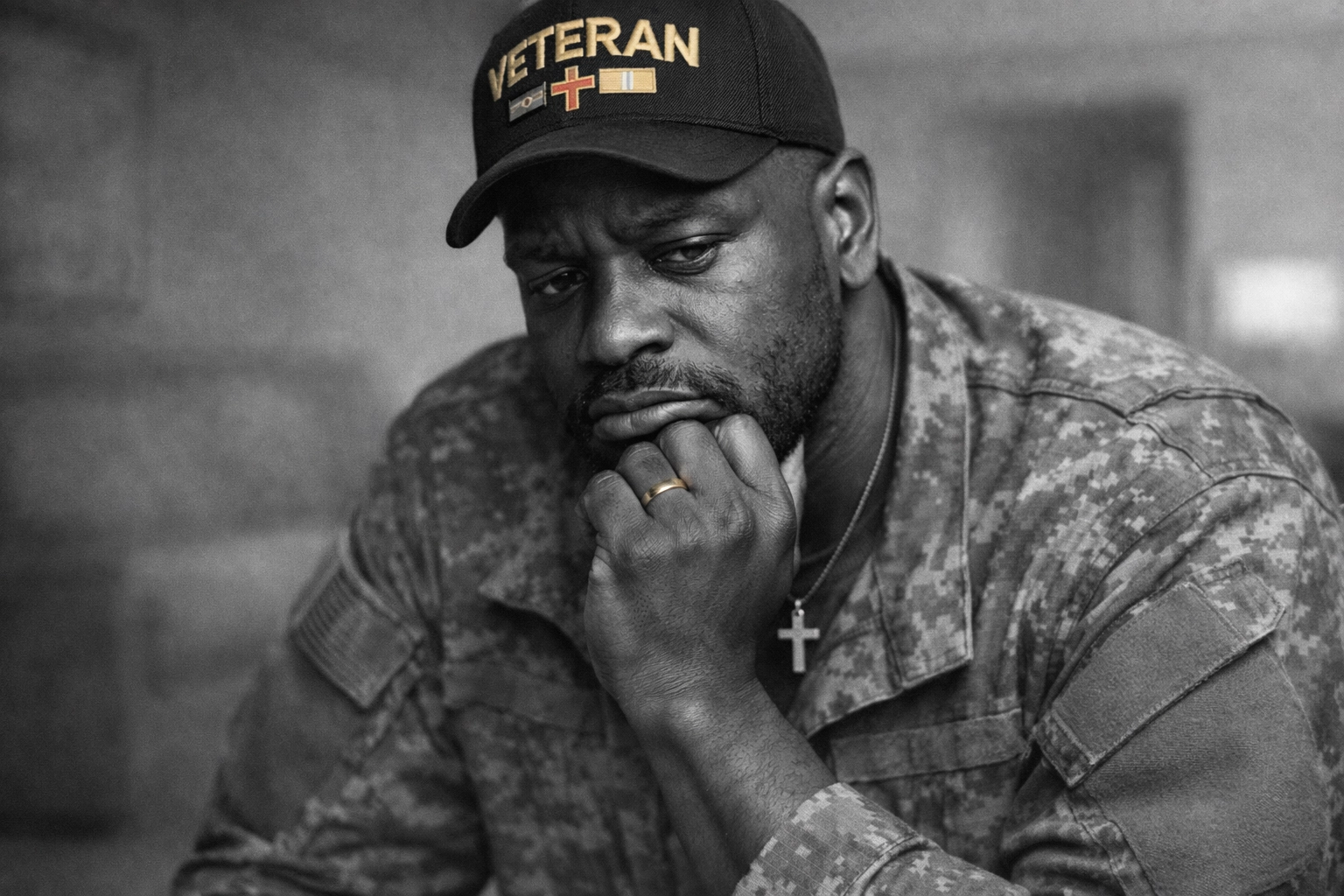
PTSD is about safety. Moral injury is about goodness. You can feel safe in your living room and still feel like a "bad person." This is why traditional treatments sometimes fail to touch the deepest parts of an Urban Christian Veteran’s pain. You aren't just afraid; you are grieving the person you used to be before you saw what you saw, or did what you had to do.
The Intersection: Race, Faith, and Service
For Christian Veterans of Color, the "soul weight" often carries additional layers of complexity. There is a unique cultural disconnect that happens when you serve a nation that has historically struggled to see your full humanity. We often find ourselves navigating a "triple consciousness": the identity of a soldier, the identity of a person of color in America, and the identity of a follower of Christ.
When an Urban Christian Veteran of color experiences moral injury, it may be tied to the realization that the "democracy" they were defending abroad feels fragile or selective at home. As discussed in our conversation with Gregory Henry, navigating faith and identity while serving can feel like walking a tightrope.
If your faith teaches you that every human is made in the Imago Dei (the Image of God), but your service required you to devalue certain lives for the sake of a mission, the resulting internal friction is devastating. This isn't just a clinical issue; it’s a theological crisis. It requires a space where honesty about racism, systemic failure, and spiritual doubt can coexist.
Why "Patriotic Sundays" Aren't Enough: How Can Churches Support Urban Christian Veterans?
We have all seen it: the annual Veterans Day service where the congregation stands to applaud, the choir sings a patriotic medley, and the pastor offers a general prayer for "those in uniform." While well-intentioned, these gestures often skim the surface. For the veteran sitting in the third pew carrying a moral injury, these ceremonies can actually increase the sense of isolation. They celebrate the "warrior" but ignore the "wounded soul."
So, how can churches support Urban Christian Veterans in a way that actually leads to healing?
- Create Space for Lament: Our churches are often too quick to jump to "victory" and "praise." We need the language of the Psalms: the raw, honest cries of "How long, O Lord?" Churches must allow Urban Christian Veterans to express their anger and doubt without rushing to provide a platitude.
- Move Beyond the Hero Narrative: When we only frame Urban Christian Veterans as "heroes," we make it impossible for them to talk about their guilt. True church support Urban Christian Veterans involves acknowledging that war is messy, tragic, and spiritually costly.
- Educational Integration: Clergy and lay leaders need to understand the basics of moral injury treatment. This includes recognizing that an Urban Christian Veteran’s "loss of faith" might actually be a symptom of a moral wound that needs grace, not a lecture on regular church attendance.
- Practical Grace: Support means helping with the Urban Christian Veteran transition to civilian life in tangible ways: mentorship, job networking, and assistance with navigating the bureaucracy of va benefits help.
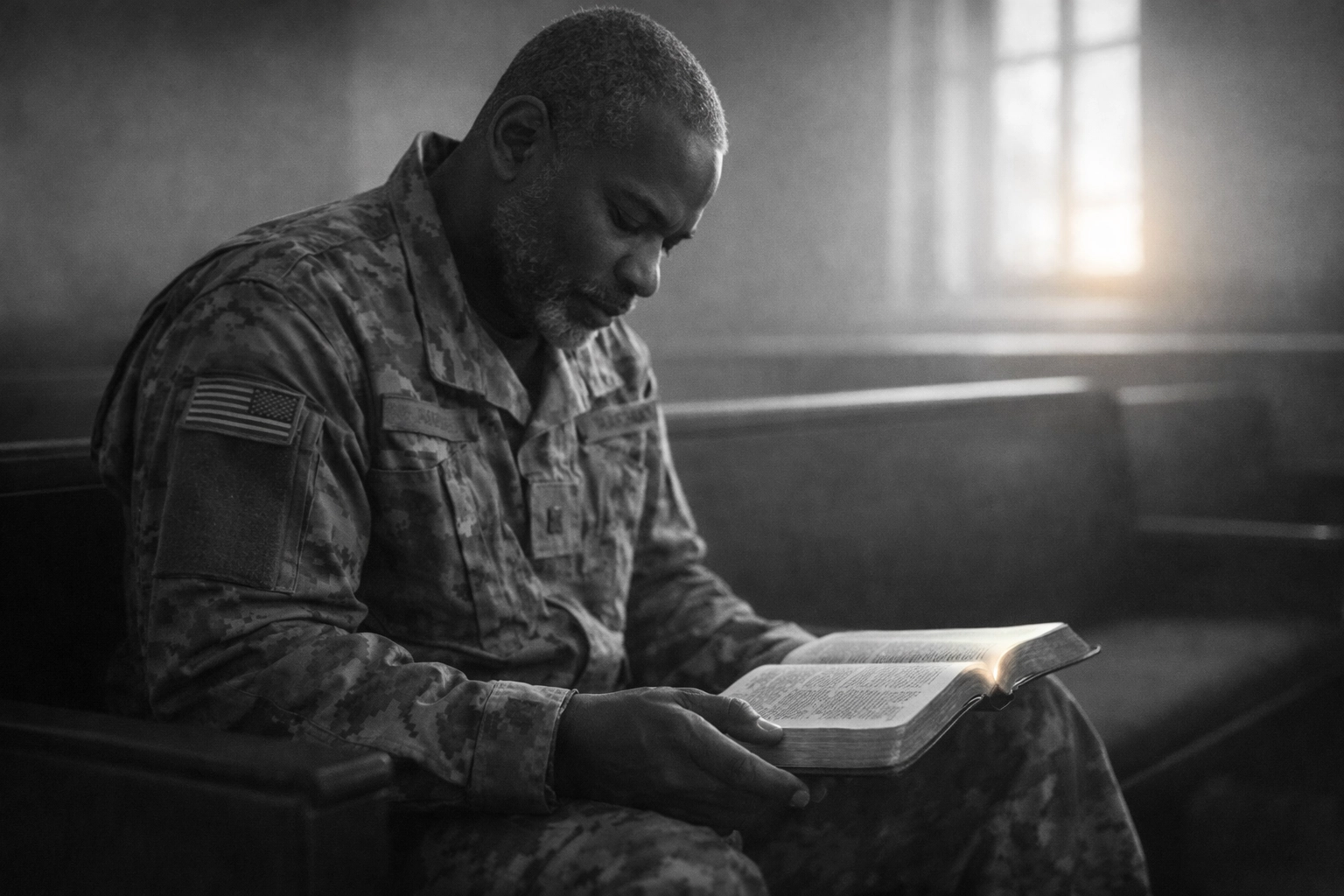
Finding the Path to Healing: Moral Injury Treatment
Healing from moral injury requires a different toolkit than PTSD. While PTSD may require EMDR or cognitive processing therapy to manage triggers, moral injury requires reconciliation.
For the christian Urban Christian Veteran, this involves a deep dive into the nature of grace. We often believe that God can forgive "sins," but we struggle to believe He can heal a "shattered self." Healing comes through:
- Community: Breaking the silence. As we share on veteran podcasts and in small groups, the shame loses its power.
- Atonement and Ritual: In the Old Testament, soldiers returning from battle underwent purification rituals. We need modern "rituals of return" that acknowledge the weight of service and offer a spiritual "washing."
- Honest Dialogue with God: God is not intimidated by your "war stories." Read the accounts of David, a man of war who was also a man after God’s own heart, yet was not allowed to build the Temple because he had "too much blood on his hands." There is a historical and biblical precedent for the spiritual cost of service.
As we’ve explored in our roundtable discussions, the journey is rarely linear. It involves a steady, analytical look at our past and a courageous step toward a future where we are defined by God's grace rather than our darkest days.
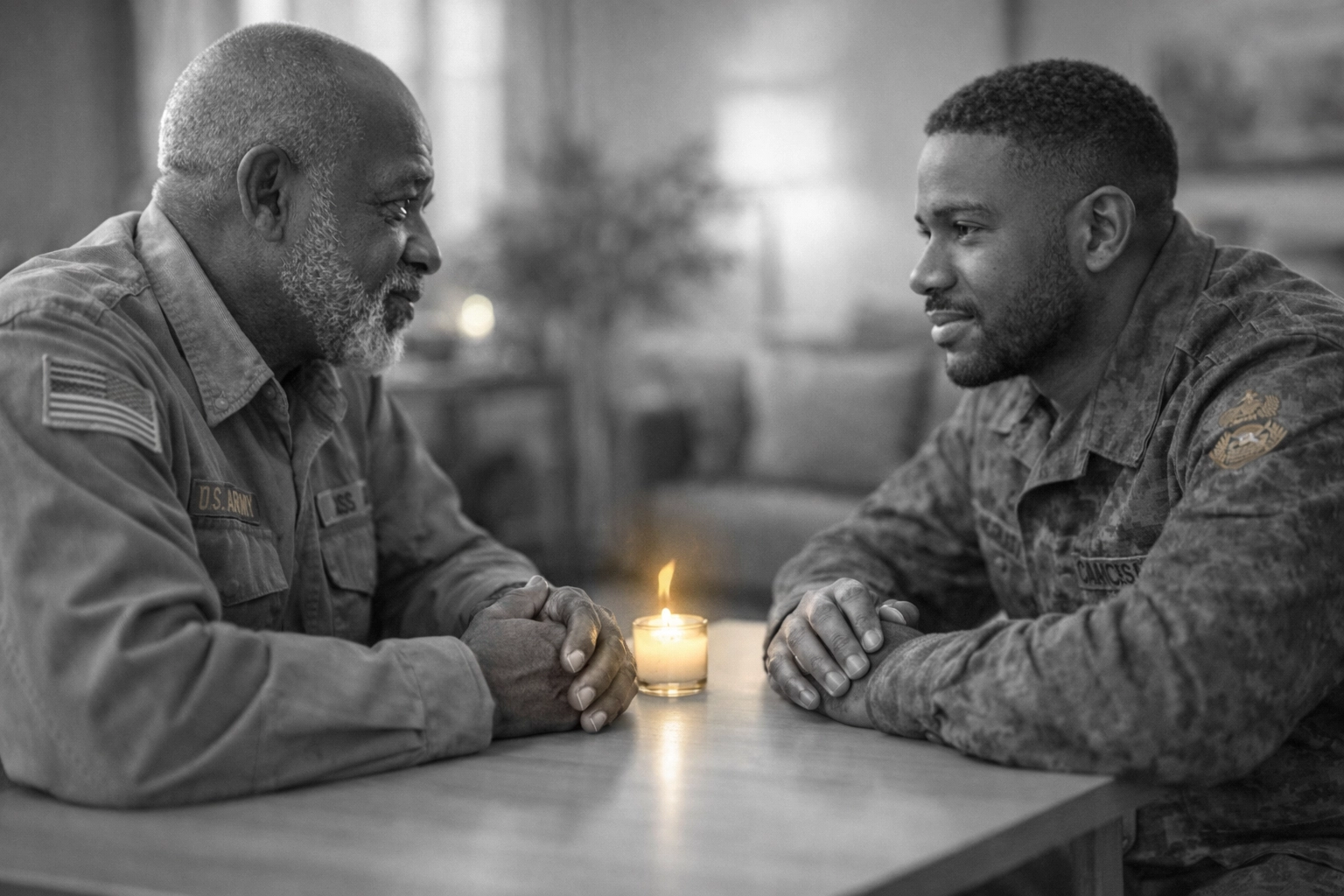
A Call to Wisdom
If you are an Urban Christian Veteran reading this and you feel that "soul weight," know that you are not broken beyond repair. You are responding to an abnormal situation with a normal, healthy conscience. Your pain is actually evidence of your humanity and your values.
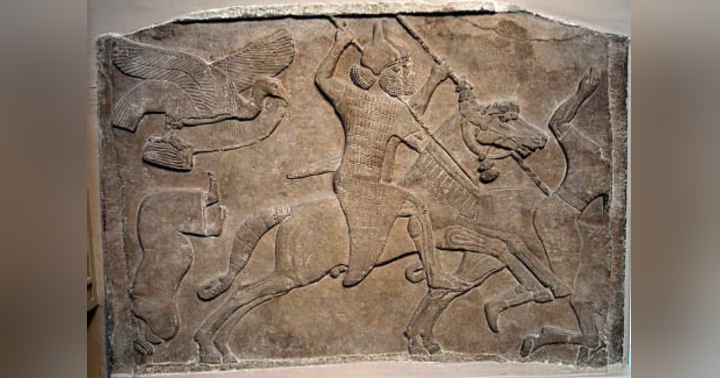
If you are a church leader or a family member, I challenge you to look past the uniform. Seek to understand the "then" and the "now." Recognize that the struggle of the modern Urban Christian Veteran is part of a larger human narrative that has existed since the first recorded battles. As we note in our piece on how PTSD did not begin with modern war, the wounds of combat are as old as time, but the grace of God is eternal.
Seeking help: whether it’s clinical moral injury treatment, joining a community like Urban Christian Veterans, or finally speaking your truth to a trusted pastor: is not a sign of weakness. It is an act of tactical brilliance. It is the first step in reclaiming your soul from the battlefield.
Let us move forward with honesty. Let us lift the soul weight together. Through faith, community, and a commitment to the truth, we can find the peace that surpasses all understanding: even the understanding of what we’ve been through.
 Apple Podcasts
 Spotify
 Castro
 RSS Feed
