
The Hidden Battle: Navigating Microaggressions and Bias in the Civilian Workplace
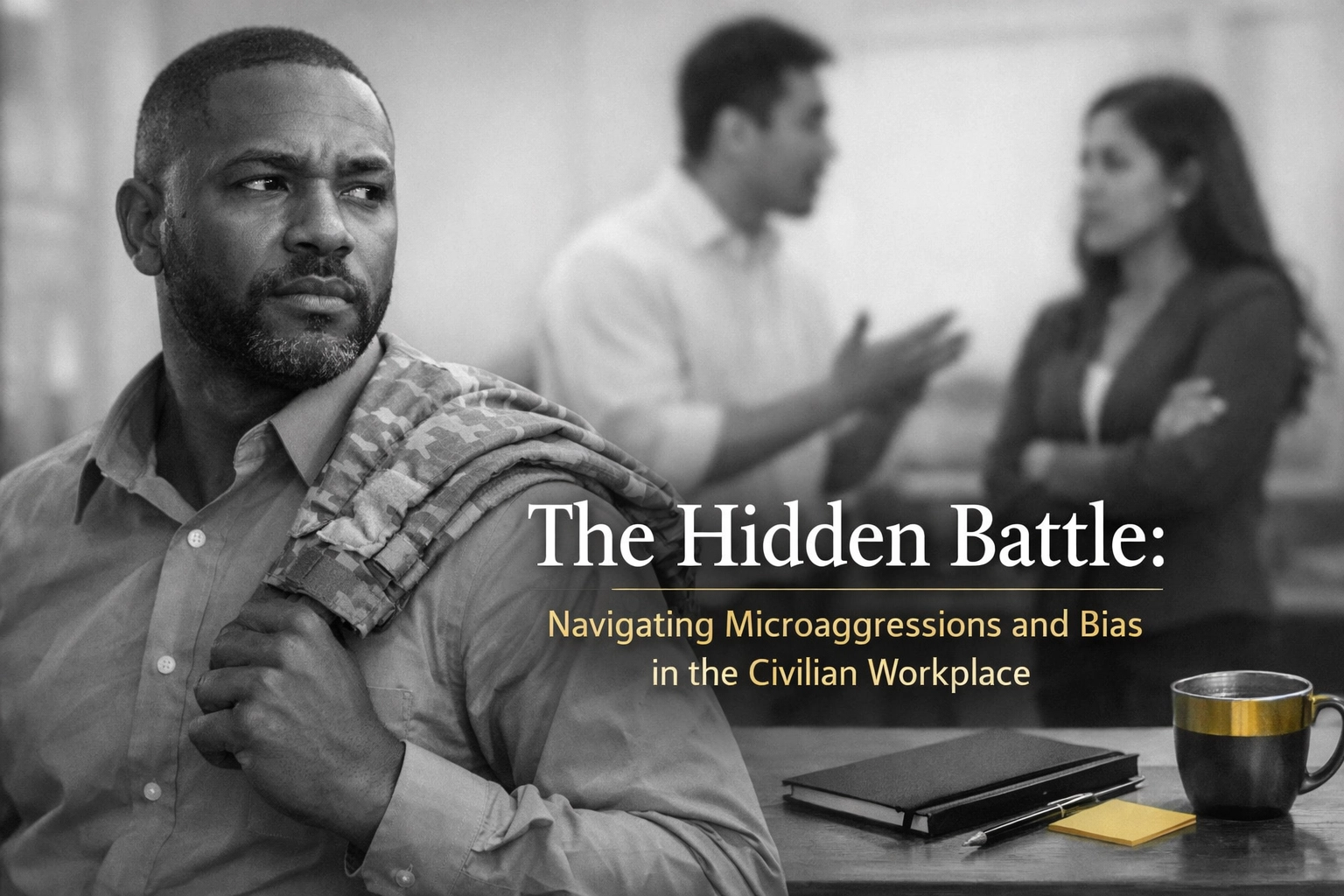
You spent years in a system where the rank on your chest was supposed to tell people exactly who you were and what you were capable of. In the military, the mission came first. While the service is far from perfect, there was a certain level of directness. If someone had a problem, you usually knew it. But when you hang up the uniform and walk into a civilian office, the rules of engagement change overnight.
For many of us in the Urban Christian Veterans community, the biggest shock isn't the workload or the commute: it’s the subtle, constant friction of microaggressions and bias. It’s a hidden battle that doesn't use artillery or small arms, but it wears down the soul just the same. We call this a cultural disconnect, a gap between the honor we lived by in the service and the "polite" exclusion we often find in the corporate world.
The Paper Cut That Won't Stop Bleeding
In the military, we talk about wounds. We know what a physical injury looks like. But in the civilian workplace, the injuries are often "micro." A microaggression isn't usually a screaming match or a blatant slur. It’s a comment, a look, or a dismissive gesture that tells you that you don’t quite belong.
Think about the times you’ve heard, "You’re so well-spoken," or "I didn't expect you to be so organized." On the surface, they sound like compliments. But underneath, there’s a microinsult: an assumption that because you are a person of color or a veteran, the baseline expectation for your intelligence was low. It’s a backhanded slap that leaves you feeling a "psychosomatic response": that tightness in your chest or the sudden heat in your neck: long after the conversation is over.
When we talk about these experiences in our roundtable discussions, we realize we aren't alone. Whether it's being talked over in a meeting or having your expertise questioned in ways your white counterparts never experience, these moments add up. They lead to a form of moral injury, where the "fairness" you were promised in the civilian world doesn't match the reality of your daily life.
The Types of Attacks
To fight a battle, you have to know what you’re up against. In the civilian world, these biases usually fall into three categories:
- Microinsults: These are the "accidental" slurs. It’s the manager who assumes you got the promotion because of a diversity quota rather than your decade of leadership experience.
- Microinvalidations: This is when people dismiss your reality. You mention a concern about bias, and they respond with, "I’m sure they didn't mean it that way," or "You're being too sensitive." It’s an attempt to erase your lived experience.
- Microassaults: These are more direct, like the use of "dog whistle" language or avoidant behavior where colleagues go out of their way to exclude you from networking opportunities.
This isn't just "office politics." For a Veteran of Color, this is a continuation of a long history of having to work twice as hard to get half the respect. As we've seen in conversations with leaders like 1st Sgt (Ret.) LeRound Mitchell, the struggle to maintain your identity while serving a country that doesn't always love you back is a heavy cross to carry.
The Spiritual Cost of the "Corporate Mask"
One of the hardest things about transitioning is the feeling that you have to wear a mask. You have to "tone down" your military directness so you don't seem "aggressive." You have to "tone down" your cultural identity so you don't seem "unprofessional." This constant self-monitoring is exhausting. It drains the energy you should be using for your family, your faith, and your growth.
As Christians, we know that we are made in the image of God. When people treat us as "less than" or "other," they aren't just insulting us: they are ignoring the craftsmanship of the Creator. This is why the workplace can feel like a spiritual battlefield. If you aren't careful, the constant drip of bias can lead to bitterness, which is a poison to the spirit.
We often look to the example of those who have navigated these waters before us, like Sergeant Major Roy Lewis, who showed that education and strength are key to maintaining your dignity in spaces that weren't built for you.
Finding Your Anchor in the Chaos
So, how do we handle the "hidden battle" without losing our peace?
First, we have to realize that our worth is not determined by a corporate hierarchy or a biased supervisor. In my own journey, I’ve had to remember that God sets the table while my enemies watch. You don't need to beg for a seat at a table where you aren't respected when you know who truly provides your daily bread.
Second, we need "Urban Neo-Tribalism." This isn't about isolation; it’s about finding your tribe: the people who speak your language, share your faith, and understand the weight of the uniform. Within Urban Christian Veterans, we build modern tribes in our cities where we can take the mask off. We need spaces where we don't have to explain why a "small" comment felt like a big deal. We need brothers and sisters who can say, "I see you, I believe you, and I’ve got your back."
Practical Wisdom for the Civilian Frontlines
When you face these microaggressions, you have a choice in how you respond. You don't always have to "let it slide," but you also don't have to engage in a way that compromises your testimony or your career.
- Document the Patterns: Bias is often hard to prove because it’s subtle. Keep a record. Not because you’re looking for a fight, but because you need to stay grounded in reality when people try to gaslight you.
- Seek Wise Counsel: Don't process these insults alone. Talk to a mentor or a fellow veteran who has been through it. Whether it's navigating VA claims or navigating a toxic boss, wisdom is found in the multitude of counselors.
- Guard Your Heart: Use your faith as a shield. When someone tries to diminish you, return to the Word. Remind yourself that you are "fearfully and wonderfully made."
- Know When to Move: Sometimes, the most courageous thing you can do is realize a specific environment is toxic to your soul and start looking for a new mission. God does not call us to be doormats; He calls us to be stewards of the gifts He gave us.
The Strength of the Veteran Community
The civilian world might not always understand the depth of our service or the complexity of our identity, but we do. We've seen how Warriors find faith in the chaos of combat, and we can find that same faith in the chaos of the boardroom.
Microaggressions are real, and the bias is documented, but it doesn't have the final say. We are part of a lineage of men and women who have survived much worse than a snide comment at a water cooler. By leaning into our faith and our community, we transform from victims of workplace culture into advocates for change and examples of Christ-centered resilience.
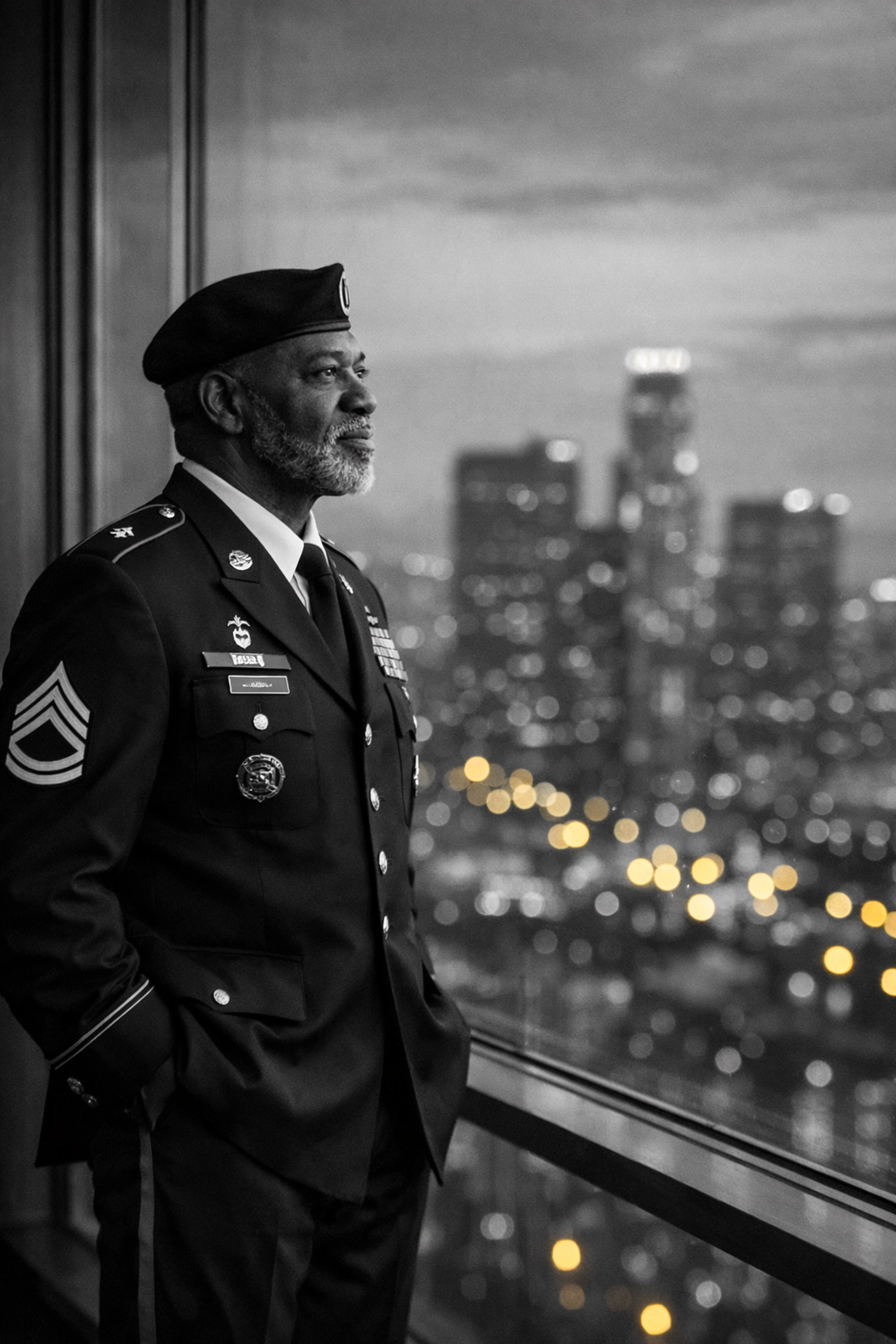
Seeking help, finding a community, and admitting that the "hidden battle" is wearing you down isn't a sign of weakness. It’s a display of the same tactical wisdom you used in the field. You wouldn't go into a fire-fight without a plan and a team; don't try to navigate the civilian workplace without them either.
Stay strong, stay faithful, and remember that your service didn't end when you took off the uniform: it just moved to a different theater of operations.
Join the conversation at urbanchristianvets.com
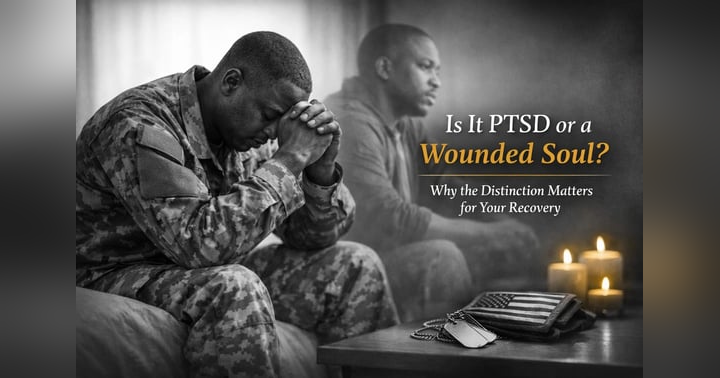
Is It PTSD or a Wounded Soul? Why the Distinction Matters for Your Recovery
 Apple Podcasts
 Spotify
 Castro
 RSS Feed
