
Moral Injury Vs PTSD: Why Traditional Therapy Might Be Missing the Heart of Your Struggle
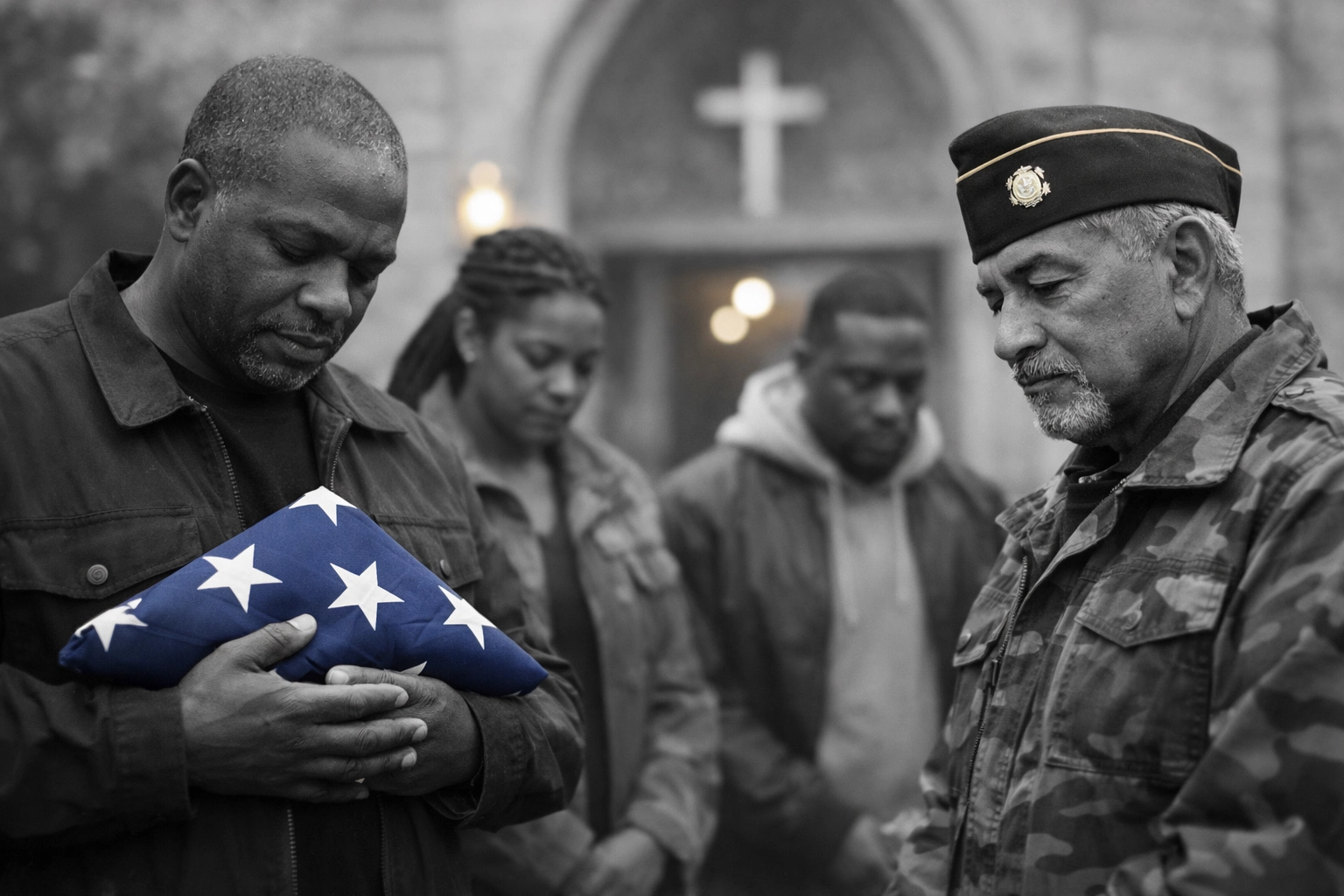
For years, the clinical world has funneled every struggle an Urban Christian Veteran faces into a single, four-letter acronym: PTSD. We are told that our sleepless nights, our hyper-vigilance, and our sudden bursts of anger are purely the result of a "disordered" fear response. But for many Urban Christian Veterans of Color, there is a lingering shadow that clinical checklists fail to capture. It is a weight that doesn’t feel like fear, but like a profound, soul-deep fracture.
If you have sat in a therapist's office feeling like the "tools" they gave you: the breathing exercises, the grounding techniques, the medications: were only scratching the surface, you aren't "failing" at therapy. It is highly likely that traditional therapy is missing the heart of your struggle because it is treating a fear-based injury when what you are actually carrying is a moral one.
The Great Misunderstanding: Fear vs. Shame
To heal, we must first name the enemy. Post-Traumatic Stress Disorder (PTSD) is fundamentally a fear-based reaction. It is the body’s "fight-or-flight" system getting stuck in the "on" position. When an Urban Christian Veteran has PTSD, their amygdala: the brain's alarm bell: is overactive. They are constantly scanning for threats, reacting to loud noises, and re-experiencing the terror of a moment where their physical life was at risk.
Moral Injury is different. It is not a "disorder" of fear; it is a "dimensional problem" of the conscience. It is a shame-based reaction to events that violate your deeply held moral or ethical values. While PTSD is about a threat to your body, Moral Injury is about a threat to your soul and your sense of self-worth. It occurs when you do something, fail to prevent something, or witness something that goes against everything you were taught about right and wrong: especially what you were taught in the pews of your church.
The Biology of the Soul
The distinction between these two isn't just "spiritual talk"; it is grounded in how our brains function. Research shows that PTSD involves an overactive amygdala and an impaired prefrontal cortex (the part of the brain responsible for rational thinking). In essence, the "rational" brain is hijacked by the "fear" brain.
However, Moral Injury requires an intact prefrontal cortex. You cannot experience moral injury unless you are capable of moral reasoning. You have to be able to think, evaluate, and judge your own actions against a standard of righteousness to feel the sting of betrayal or guilt. This is why many Urban Christian Veterans find that while their "fear" symptoms might decrease with traditional therapy, their sense of being "broken" or "unforgivable" remains untouched. You can find more on the historical context of these struggles in our post on how PTSD did not begin with modern war.
The Intersection of Race, Faith, and Service
For Urban Christian Veterans of Color, the risk of Moral Injury is often compounded by systemic factors. We often serve a country that has historically struggled to see our full humanity. When an Urban Christian Veteran of Color experiences betrayal from leadership: a primary trigger for moral injury: it isn't just a "military" failure; it feels like a continuation of a larger narrative of systemic injustice.
We see this reflected in the stories of leaders like 1st Sgt (Ret) LeRound Mitchell, who navigate the complex landscape of service, racism, and belief. When you are a person of faith, you are taught that you are made in the image of God. When war forces you into situations that dehumanize others: or when the system dehumanizes you: it creates a "cultural disconnect" that traditional, secular therapy is often ill-equipped to handle.
The secular clinical model often views "guilt" as something to be "processed away" or "reframed." But for an Urban Christian Veteran, guilt is often an honest psychosomatic response to a real violation of God’s law. To tell a believer that their moral pain is just a "cognitive distortion" is to dismiss the very core of their identity.
Why Traditional Therapy Might Be Missing the Mark
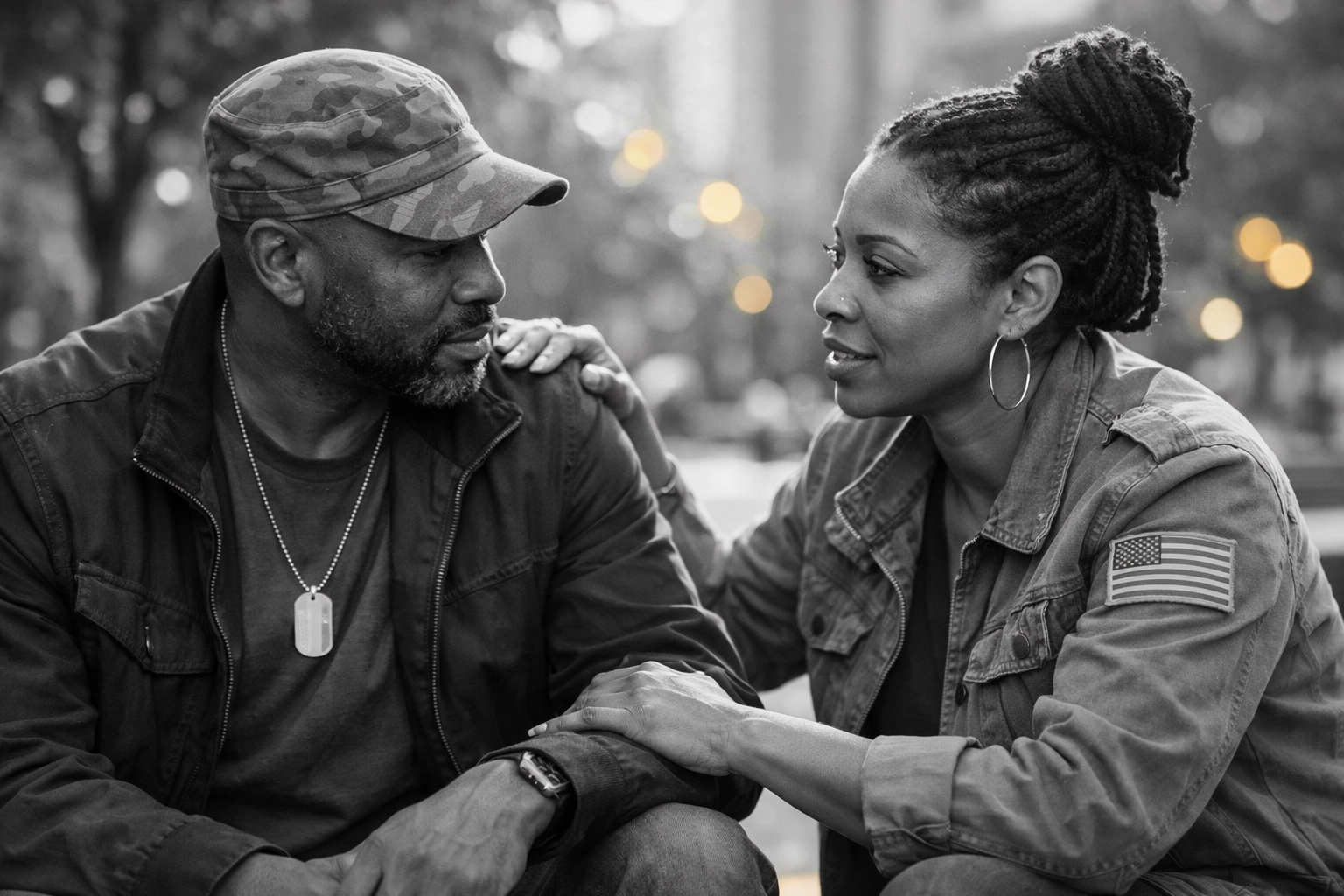
Traditional therapy often focuses on "symptom management." The goal is to get you back to work, to stop the flashbacks, and to stabilize your mood. While these are noble and necessary goals, they don't reach the "moral center."
- The Spiritual Void: Most clinical settings are secular. They don't have a category for "sin," "atonement," or "redemption." For an Urban Christian Veteran, these aren't just religious words; they are the framework for how we understand the world. If a therapist cannot talk about the soul, they cannot treat an injury to it.
- The Identity Gap: Urban Christian Veterans of Color often face a unique "identity" crisis. As Gregory Henry discusses, navigating faith and service in America requires a specific kind of fortitude. A therapist who doesn't understand the nuance of the Black or Brown experience in the military will likely miss the underlying triggers of moral distress.
- The Trust Factor: Moral injury often stems from a "betrayal by what is right" by someone in a position of authority. If an Urban Christian Veteran doesn't feel that their therapist truly understands or respects their culture and their faith, the "therapeutic alliance": the trust needed for healing: can never fully form.
Integrating Faith: The Path to Soul-Deep Healing
At Urban Christian Veterans, we believe that healing must be holistic. It must address the brain (the clinical), the body (the physical), and the spirit (the moral). True recovery from moral injury requires a community that understands the "chaos of combat" and the peace of Christ. As we explored in our discussion on how warriors find faith in the chaos of combat, the battlefield changes us, but God’s grace is sufficient to restore us.
Healing from Moral Injury often involves:
- Lament: Acknowledging the pain and the loss without trying to "fix" it immediately.
- Forgiveness: Both seeking it from God and, most difficultly, extending it to ourselves.
- Restorative Justice: Finding ways to put "good" back into the world to balance the weight of what was lost.
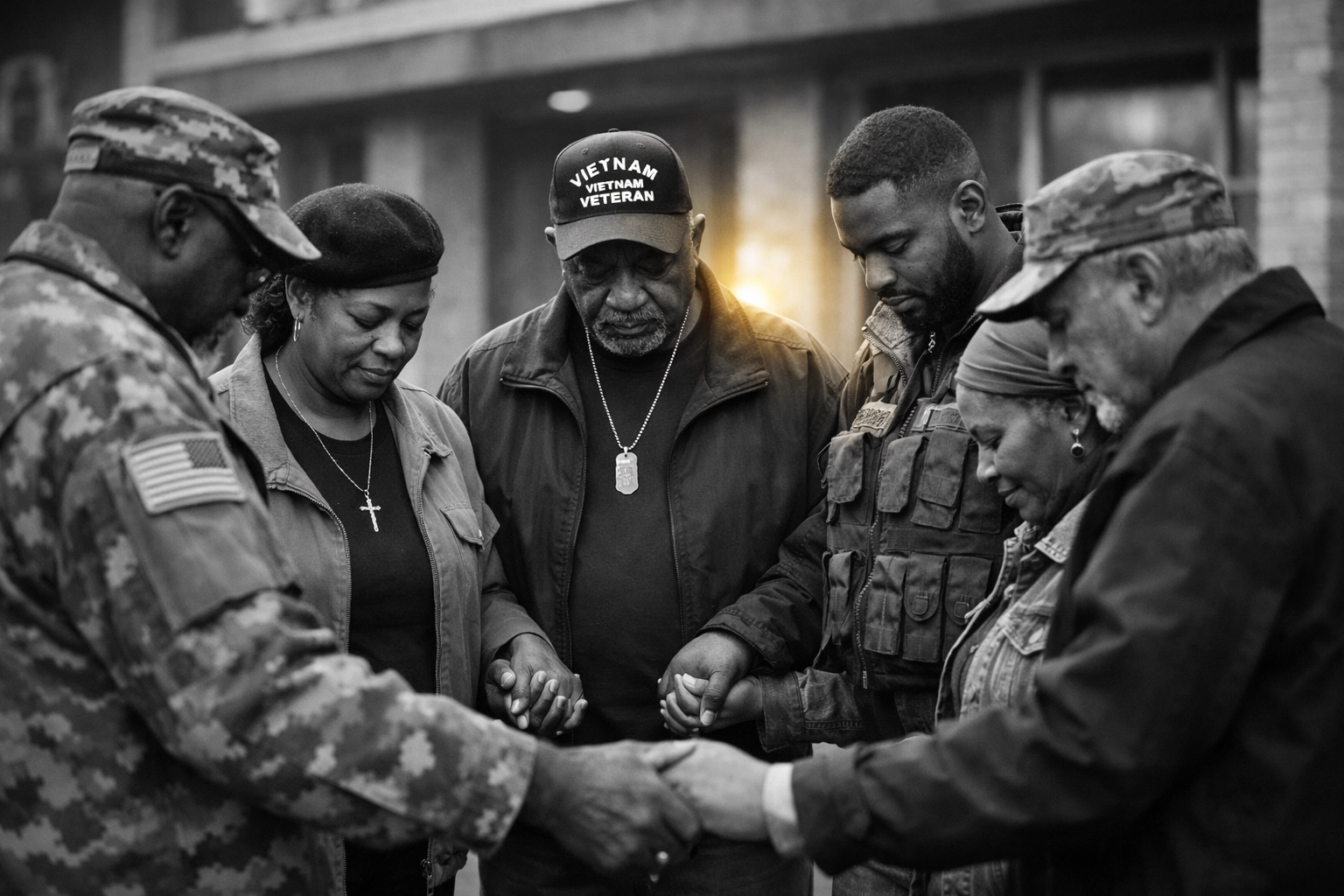
- Community: Realizing you are not the only Urban Christian Veteran carrying these heavy questions.
A Call to Wisdom and Action
If you are an Urban Christian Veteran feeling stuck in your recovery, it is time to stop blaming yourself for not "getting better" and start looking at the type of injury you are treating. Seeking help that integrates your faith is not a sign of weakness; it is a display of strength and honor. It is an acknowledgment that you are more than a collection of symptoms: you are a child of God with a soul that deserves to be whole.
Don't let a clinical diagnosis define the limits of your healing. We encourage you to seek out communities and resources that speak to your whole self: your race, your service, and your faith. Whether it’s listening to the experiences of fellow Urban Christian Veterans or finding a faith-based counselor who understands the unique burdens we carry, take control of your peace today.
You stood for us; now let the Truth stand for you. Healing is possible, but it begins by recognizing that the heart of the struggle requires a heart-centered solution.
Moral Injury vs. PTSD: An Urban Christian Veteran’s Guide to Lifting the “Soul Weight”
 Apple Podcasts
 Spotify
 Castro
 RSS Feed
