
Who Am I Without the Uniform? Reclaiming Your Identity as a Black Christian Veteran
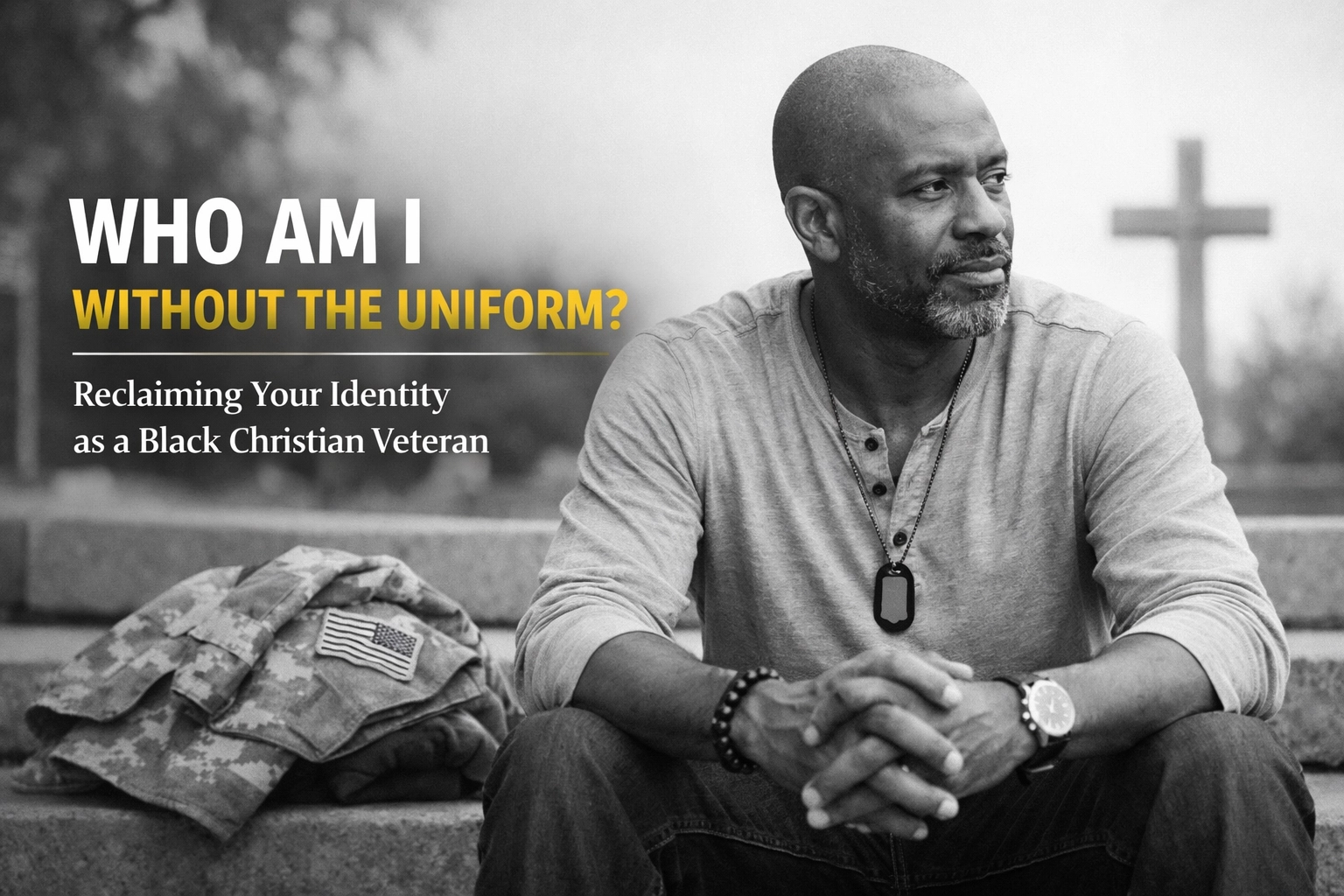
Most people think the hardest part of leaving the military is the paperwork, the final physical, or the move back to a hometown that feels smaller than when you left. They’re wrong. The hardest part is the person looking back at you in the mirror the morning after your terminal leave ends.
For years, your identity was sewn into your chest. Your name was on the right, and your branch was on the left. Your rank told everyone exactly how much respect you were owed and what kind of responsibility you carried. But when the uniform stays in the closet, a quiet, heavy question starts to echo: Who am I now?
For the Black Christian Veteran, this isn't just a transition; it’s a spiritual and cultural reckoning. You aren't just navigating a career change; you are navigating a world that often struggles to see the totality of who you are: a person of color, a believer, and a warrior. At Urban Christian Veterans, we know that reclaiming your identity isn't about forgetting who you were in the service. It’s about discovering who God created you to be before you ever raised your right hand.
The "Phantom Limb" of Military Rank
In the service, there is a clear hierarchy. You know where you stand. There is a "psychosomatic response" to the structure of the military: a physical and mental comfort in knowing the rules of engagement. When you transition to civilian life, you might experience a sense of "identity amputation." You feel for the rank that isn't there; you look for the unit that no longer has your back.
This "moral injury" often occurs when the values of the military: loyalty, duty, and selfless service: don’t seem to translate to a civilian job market that feels transactional and individualistic. For many of us, the military was the first place we felt truly evaluated on our merit rather than our skin color. Coming home means re-entering a society where that merit isn't always recognized, and the "warrior" status doesn't shield you from systemic bias.
The Triple Identity: Black, Christian, and Veteran
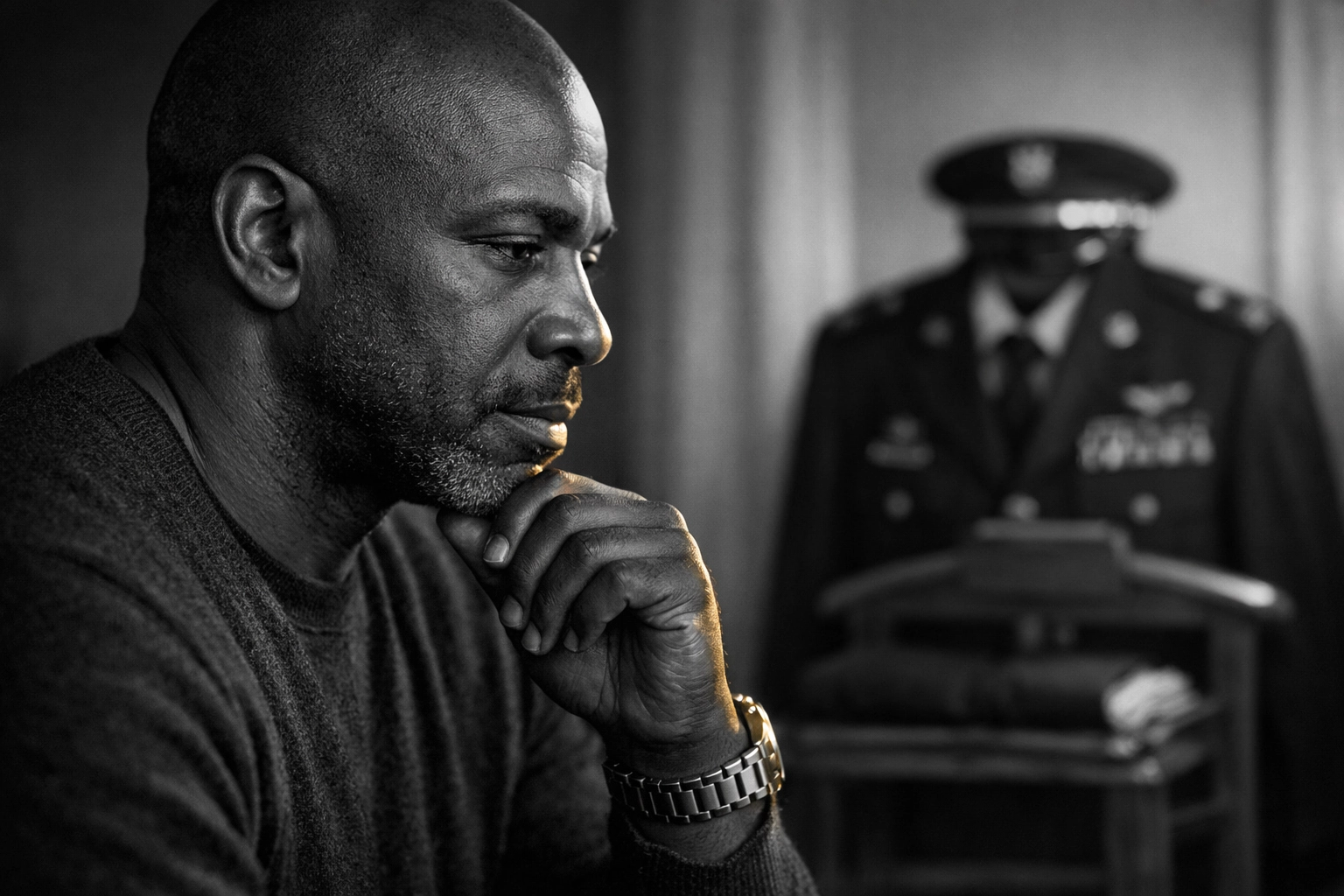
Being a Black Christian Veteran means walking through the world with three distinct layers of identity that don’t always play nice together.
- The Veteran Identity: You are trained to be stoic, to lead, and to suppress emotion to get the mission done.
- The Black Identity: You carry the historical weight of service in a country that hasn't always served you back. You navigate "urban neo-tribalism": finding your place in modern city life where culture, race, and faith intersect in complex ways.
- The Christian Identity: You are a child of God, called to peace, humility, and grace: attributes that sometimes feel at odds with the "killer instinct" honed in combat.
As we discussed in our conversation about Veterans of Color navigating faith and identity, these identities can create a "cultural disconnect." You might feel too "military" for your church, too "Christian" for your old battle buddies, and too "Black" for the veteran organizations that don't understand your specific lived experience.
Finding Worth Beyond the Rank
If your worth is tied to your rank, you will feel worthless when you retire. If your identity is tied to your "usefulness" to the mission, you will feel lost when the mission ends.
Reclaiming your identity starts with a bold, corrective truth: Your service was what you did; it is not who you are.
In the eyes of the Creator, you were chosen before you were drafted or enlisted. Your "uniform" is now the armor of God, and your "rank" is a joint-heir with Christ. This isn't just Sunday school talk; it is a practical framework for mental health. When you realize that your value is intrinsic: meaning it’s built-in and can’t be taken away: the civilian world’s failure to recognize your greatness becomes their problem, not yours.
The Struggle for Peace in Civilian "Chaos"
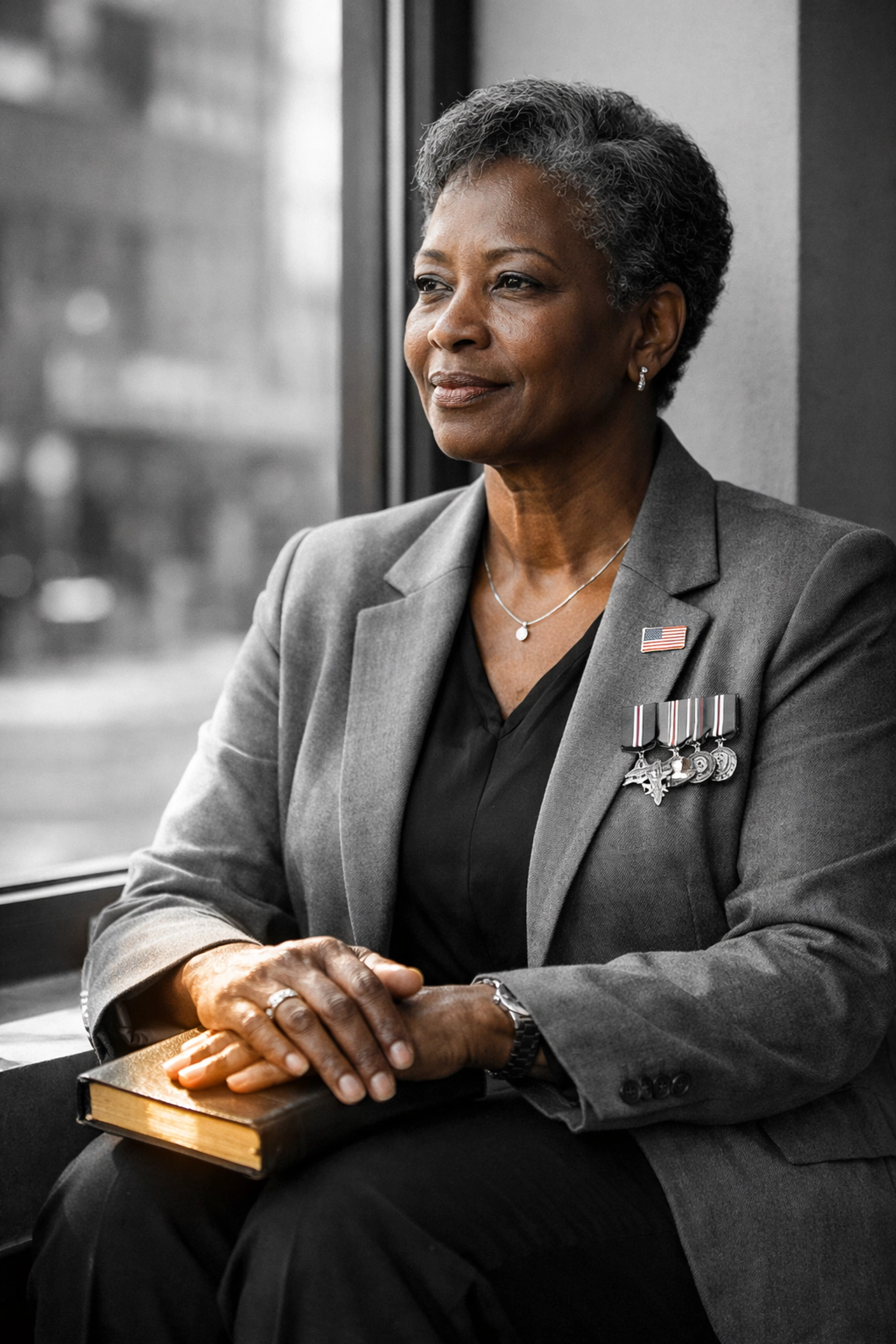
The military is predictable. Civilian life is chaotic. For many Urban Christian Veterans, the lack of structure leads to a "hyper-vigilance" that never turns off. You’re scanning the room at a restaurant, or you’re frustrated because your civilian coworkers lack discipline.
This is where faith becomes your tactical advantage. Scripture tells us that God is not the author of confusion but of peace. Reclaiming your identity means learning to trade your "combat posture" for a "prayerful posture." It means recognizing that the battle has shifted from a physical one to a spiritual and mental one.
In our talk with 1st Sgt (Ret) LeRound Mitchell, we explored how service and racism can impact a person's belief system. The key to coming out on the other side is intentionality. You have to be as disciplined about your spiritual life as you were about your physical fitness.
Rebuilding Your Tribe: Urban Neo-Tribalism
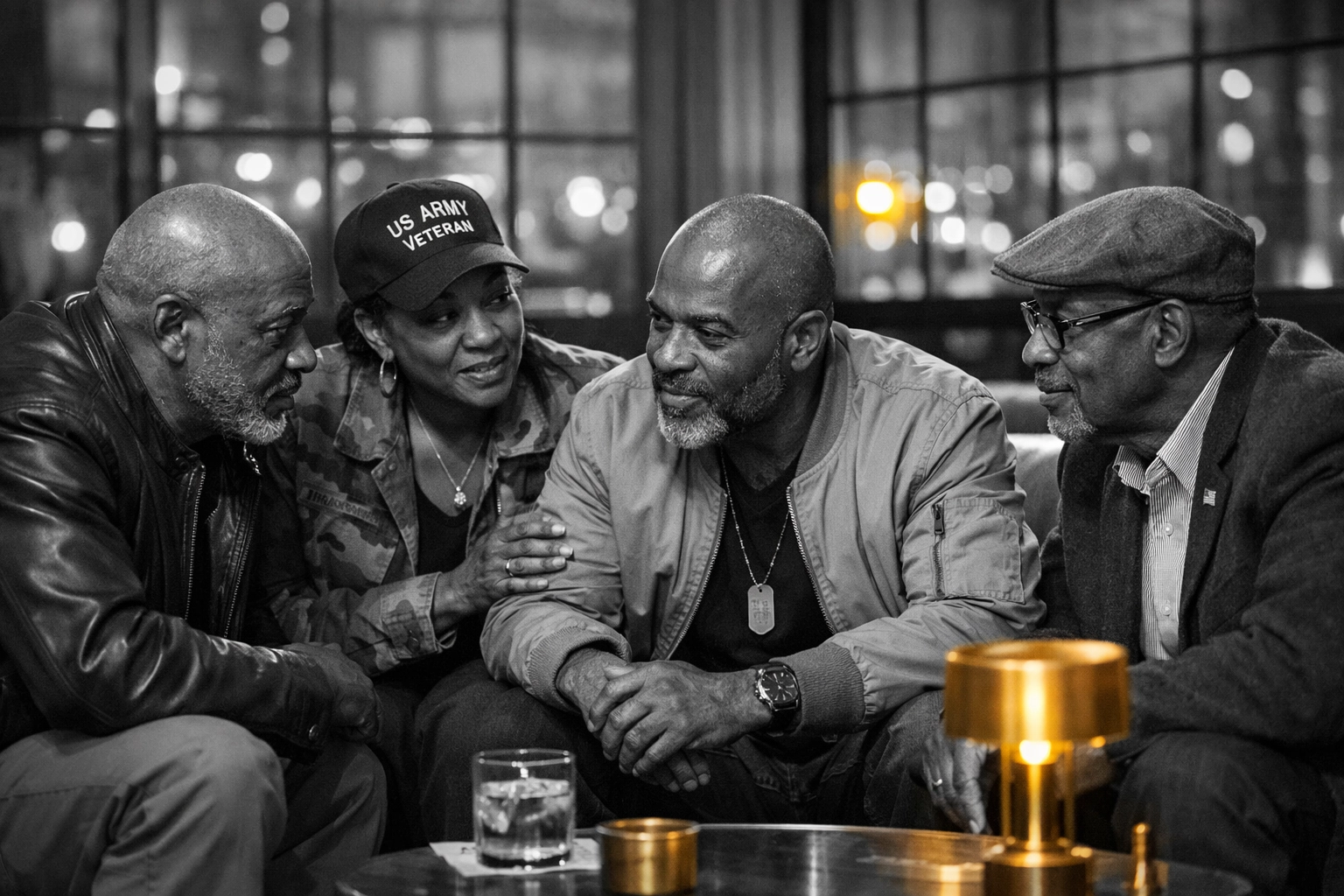
In the military, your "tribe" was handed to you. In civilian life, you have to build it. We use the term "urban neo-tribalism" to describe the way we, as Veterans of Color, must form new communities based on shared identity, culture, and faith within our cities.
You need people who understand why you still stand at attention during the anthem, why you struggle with certain "anniversary dates" of deployments, and why you feel a specific weight as a Black man or woman in today’s climate.
The Urban Christian Veterans community is built for exactly this. It’s a place where you don't have to explain the "why" behind your trauma or your pride. Whether you are dealing with the long-term effects of PTSD or simply trying to figure out how to be a civilian father or mother, you need a tribe that speaks your language.
Practical Steps to Reclaim Your Identity
- Acknowledge the Loss: It is okay to grieve the uniform. Acknowledge that a part of your life has ended so that a new one can begin.
- Audit Your Language: Stop introducing yourself solely by your former rank. You are a leader, a mentor, a servant of God, and a neighbor. Practice using words that describe your character, not just your past job.
- Seek Culturally Competent Support: The VA is a tool, but it isn't the only one. Find counselors or small groups that understand the intersection of Black culture and military service. Your healing shouldn't require you to check your race or your faith at the door.
- Find a New Mission: Service is in your DNA. Find a way to serve in your local community or church. When you use your leadership skills to help a young person or support a local cause, you’re reclaiming the best parts of your military self.
- Master Your Mind: Control what you can control. Your peace is your responsibility. As we often say at Urban Christian Veterans, staying informed and investing in your family are the best ways to build a legacy that outlasts any military career.
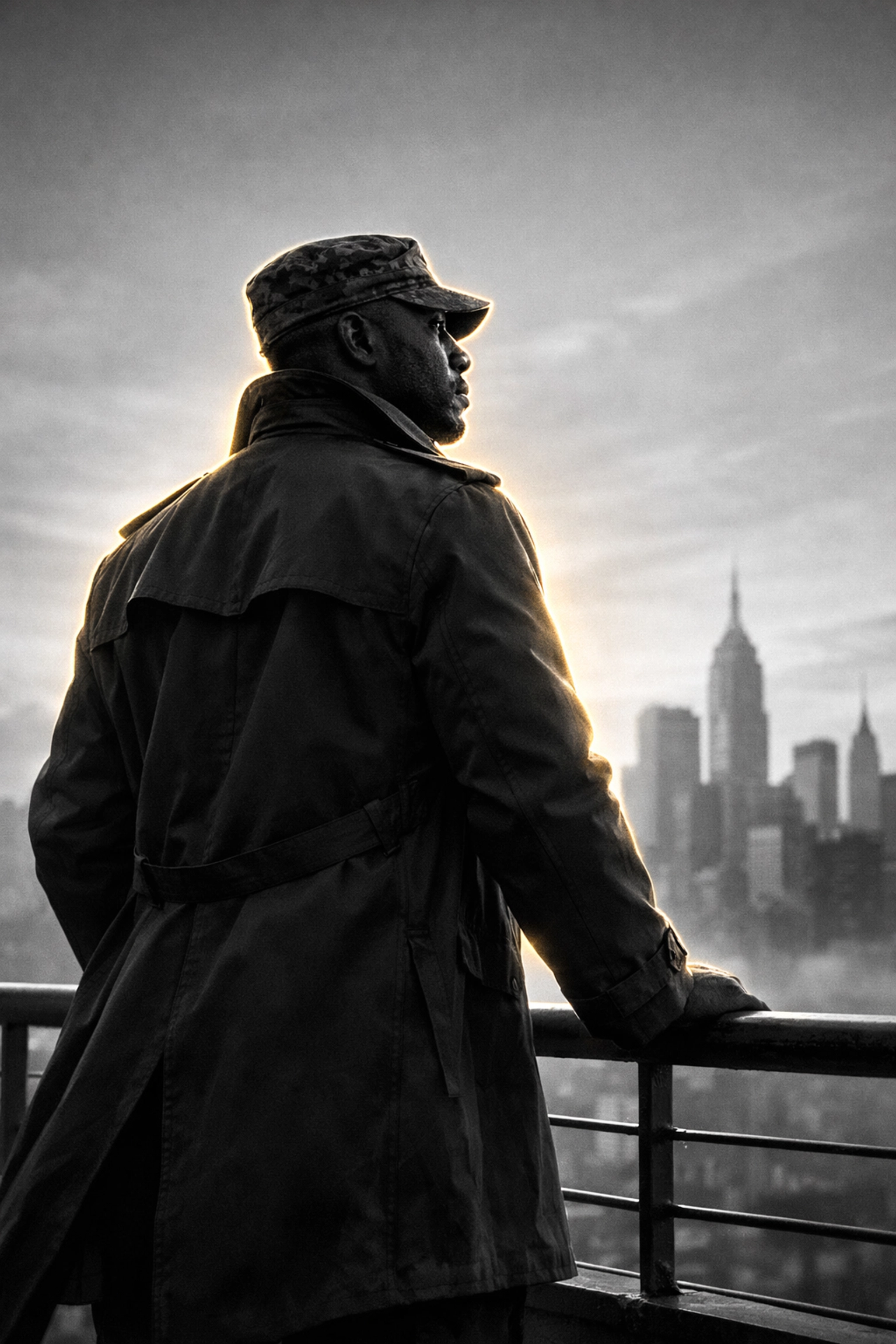
The New Mission: Strength Through Peace
Transitioning is a display of strength, not a sign of weakness. It takes a warrior to admit they are struggling with their identity. It takes a leader to seek a new way of living.
You are not "just" a veteran. You are a Black man or woman of faith who has survived the crucible of service and is now being called to a new theater of operations: your life, your family, and your community. The uniform may be gone, but the spirit of the warrior, refined by the grace of God, remains.
Reclaim your identity. Take off the mask of the "perfect soldier" and put on the mantle of the "purposeful believer." Your best days aren't behind you in a deployment folder; they are ahead of you in the life God is setting the table for right now.
Join the conversation at urbanchristianvets.com
Moral Injury Vs PTSD: Why Traditional Therapy Might Be Missing the Heart of Your Struggle
 Apple Podcasts
 Spotify
 Castro
 RSS Feed
